

Elk Hunting Guide
From Field to Freezer
An elk doesn't fit in one cooler, and it won't fit the same storage plan as a deer. Here's how to get it there in good shape.
- Lab-tested
- Heavy Duty Vacuum Seal Bags
- Built for wild game
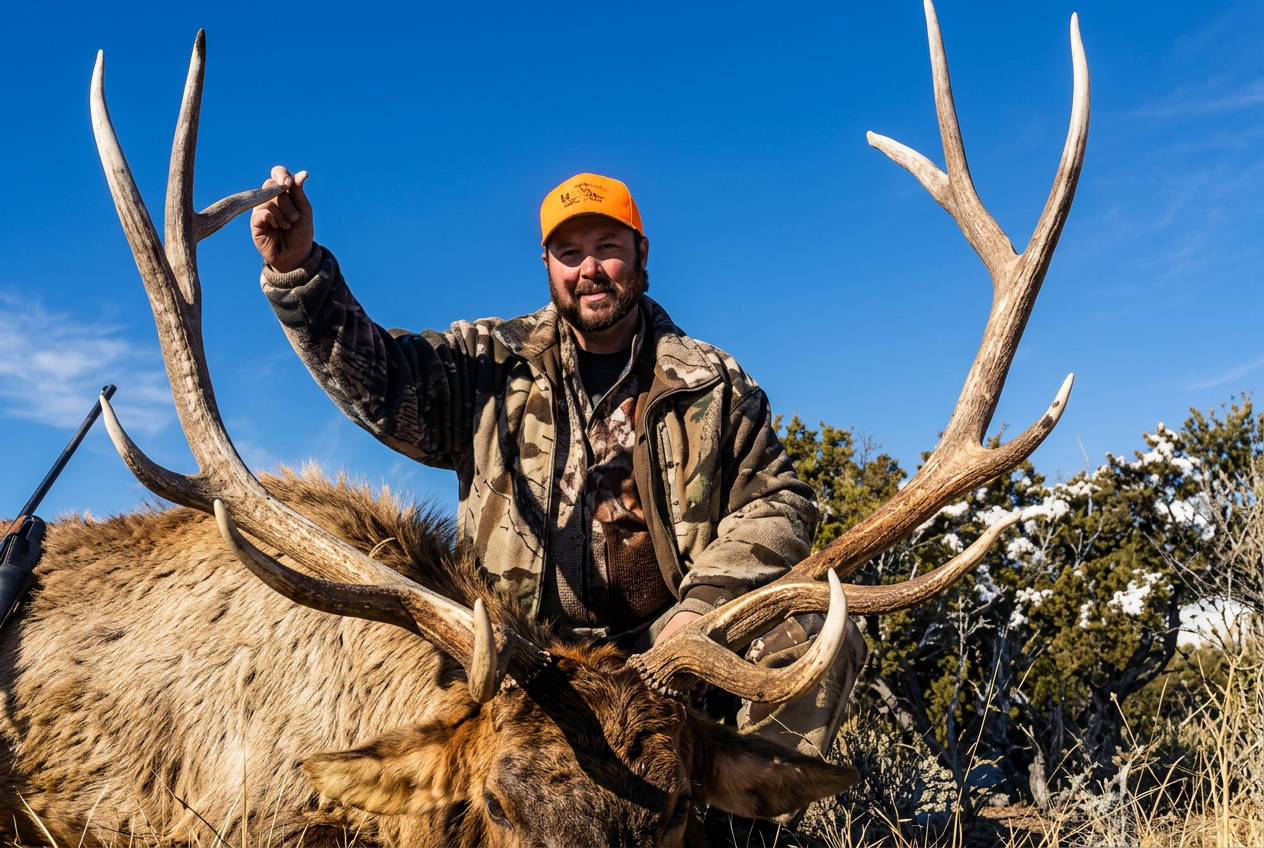
The Elk Harvest:
What Happens After the Hunt?
Getting a bull or cow elk down is the hard part everyone talks about. What happens in the next 24 to 48 hours is the part that decides whether that meat is still worth eating next spring.
An elk isn't deer with bigger antlers. A mature elk can leave you with a serious amount of meat, far more than most deer harvests. That volume changes how you need to think about processing, packaging, and freezer organization.
That much meat moving through field care, transport, processing, and freezer storage needs a system that can actually handle the volume, not just a bigger cooler.
Field-to-Freezer Roadmap
Elk meat care happens in two stages: getting it out of the field, and getting it into the freezer.
Both matter, and they use different tools.
- Harvest
- Field care & quartering
- Cool & bag (breathable game bags)
- Pack out / transport
- Cooler/hang (optional cooling)
- Process & debone
- Portion by cut
- Package & vacuum seal
- Freeze
- Label & organize
Elk Meat: Different Cuts, Different Storage Needs
One elk gives you a wider spread of cut types and a lot more of each than a deer does.
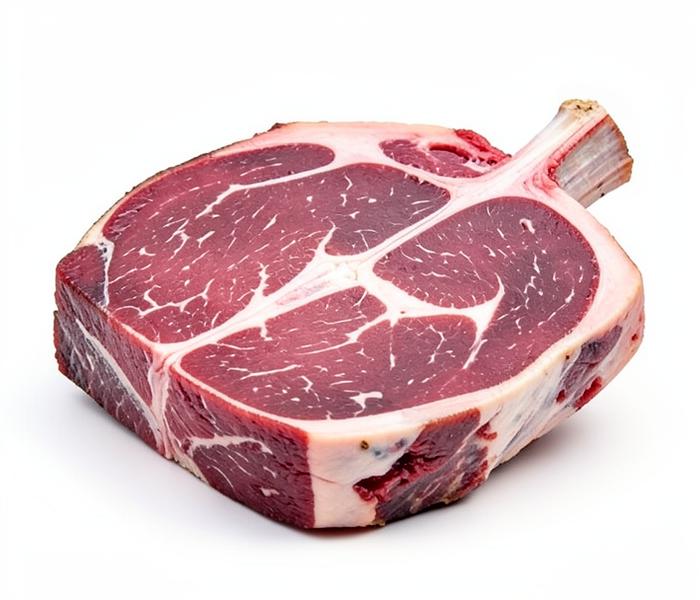 Quarters(bone-in at harvest,
to break down further)
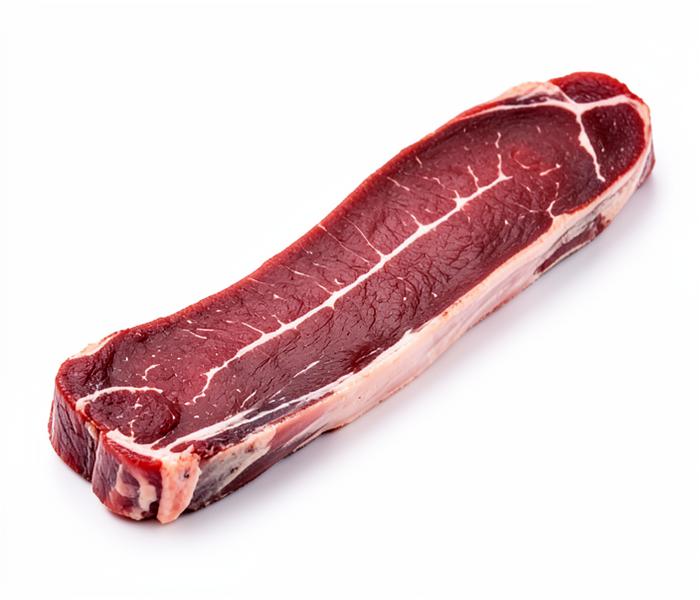 Backstraps(long cuts)
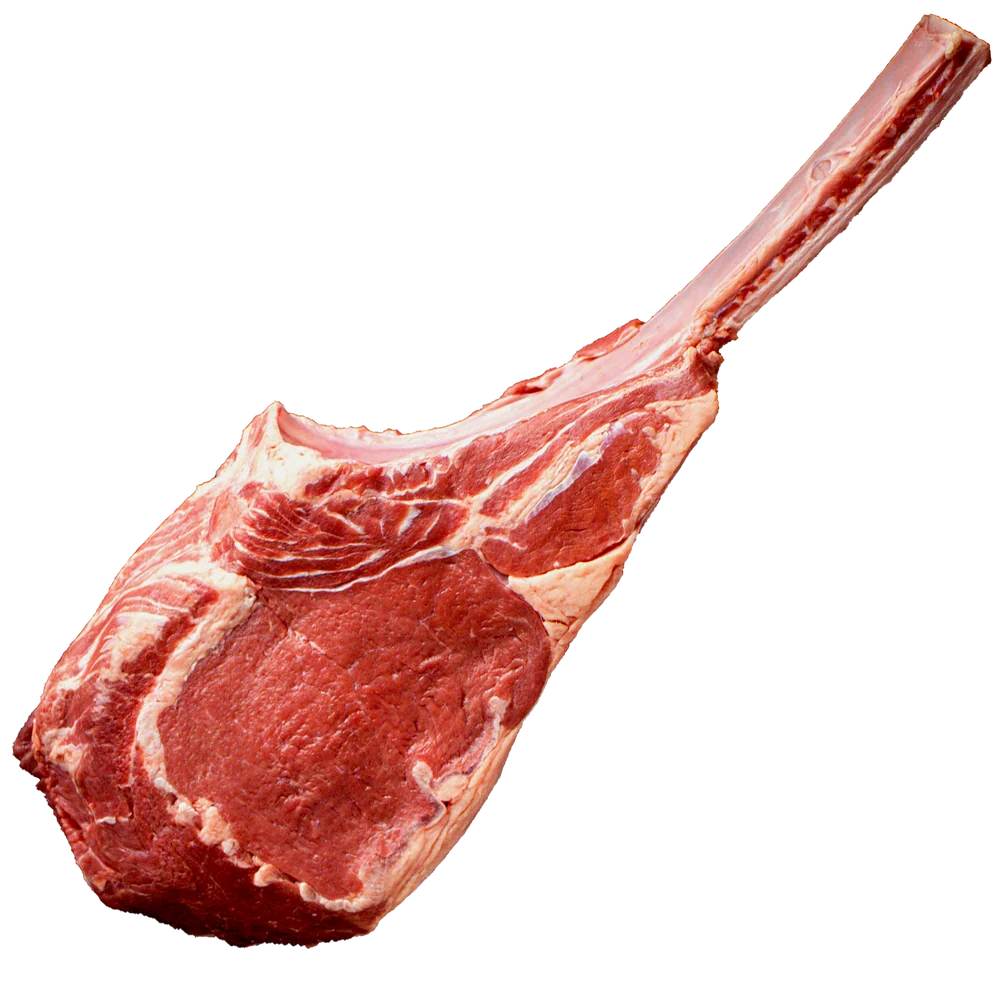 Tenderloins(small, tender)
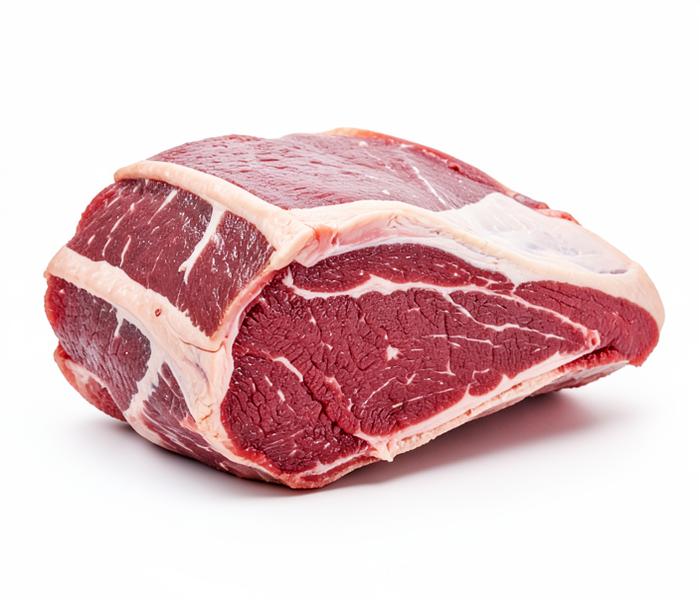 Roasts(bulkier cuts)
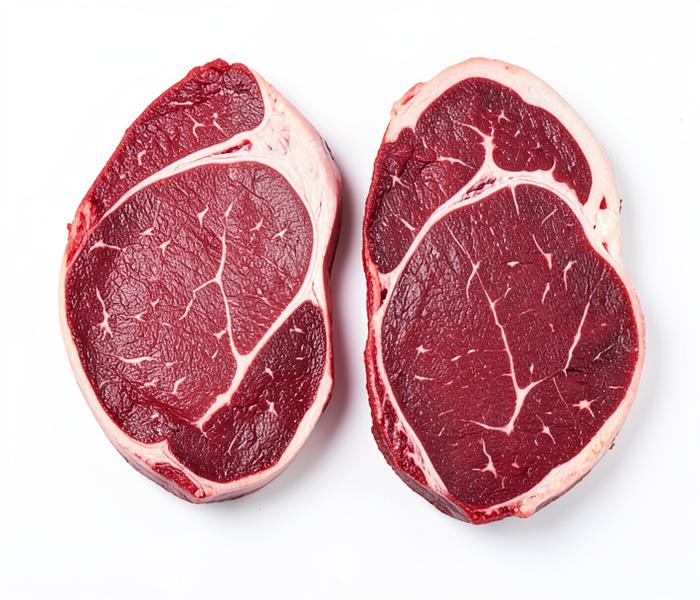 Steaks(regular meals)
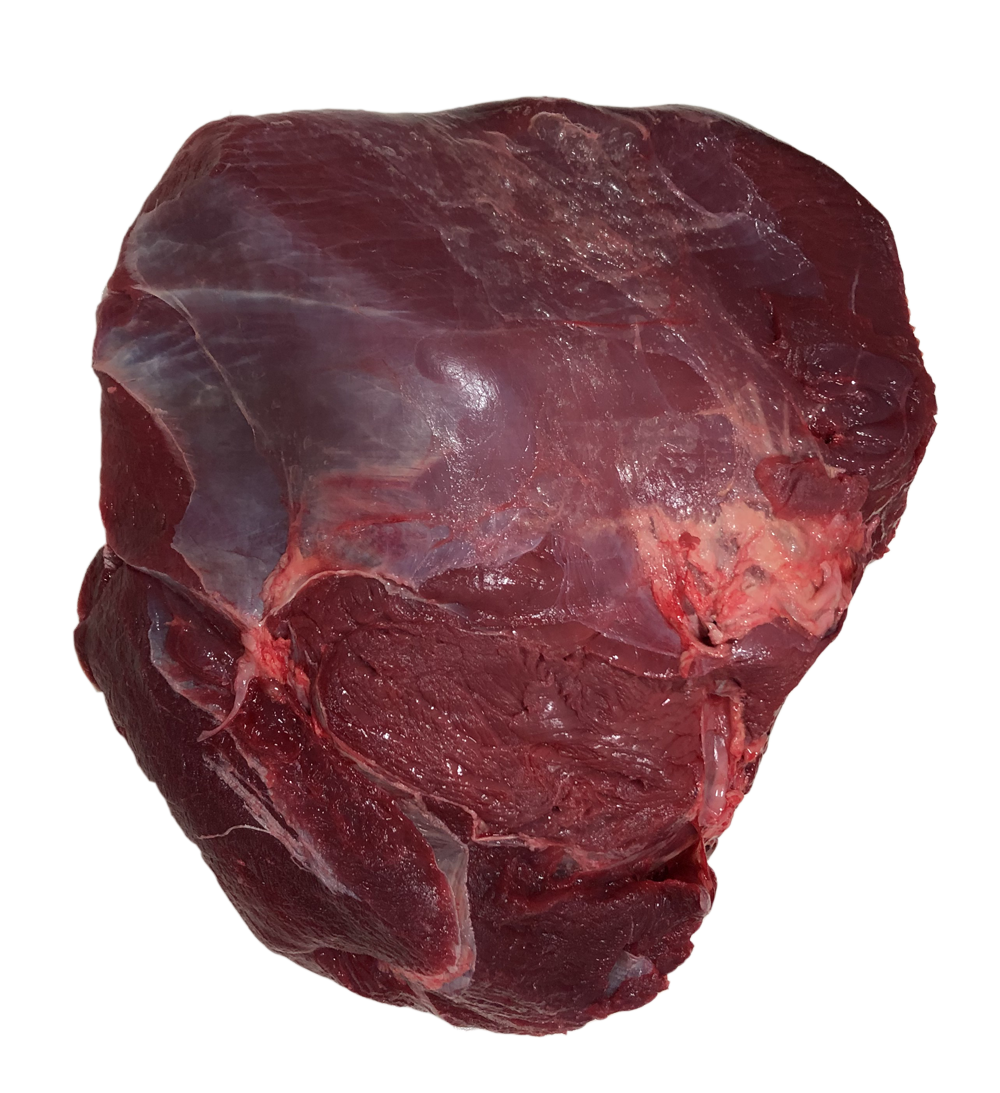 Trim & Stew Meat(accumulates fast)
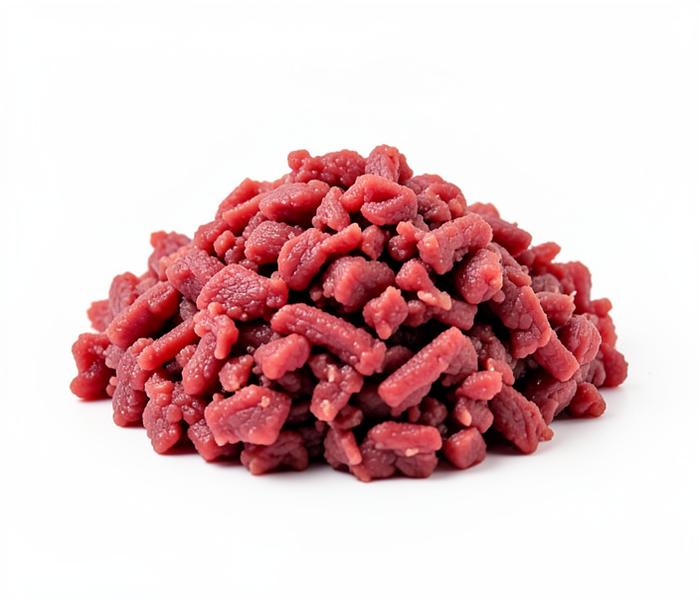 Ground Elkoften the largest
category
What to Look for in Vacuum-Seal Bags for Elk
Game meat bags covers two different jobs, and it's worth knowing which one you're solving for.
Field game bags are breathable fabric bags used during the pack-out. Their job is to allow airflow, cooling the meat and keeping dirt, hair, and insects off it while you're getting it out of the backcountry. They are not airtight, and they are not meant for freezer storage.
Vacuum-seal bags are the packaging you use once the meat is home, processed, and ready for the freezer. Their job is the opposite of a field bag's, removing air rather than allowing it, and creating a barrier that protects the meat over months of frozen storage.
When you're choosing vacuum-seal bags specifically for the volume of meat from an elk harvest, the things that matter most are:
- Size Range- you'll be packaging everything from tenderloins to bulk trim from one animal
- Barrier properties- how well the film limits oxygen and moisture transmission over time
- Puncture resistance- relevant for bone-in cuts and sharp trim edges
- Roll availability- useful when you're sizing bags to irregular cuts instead of standard portions
- Sealer compatibility- the bag needs to work reliably with the sealer you already own
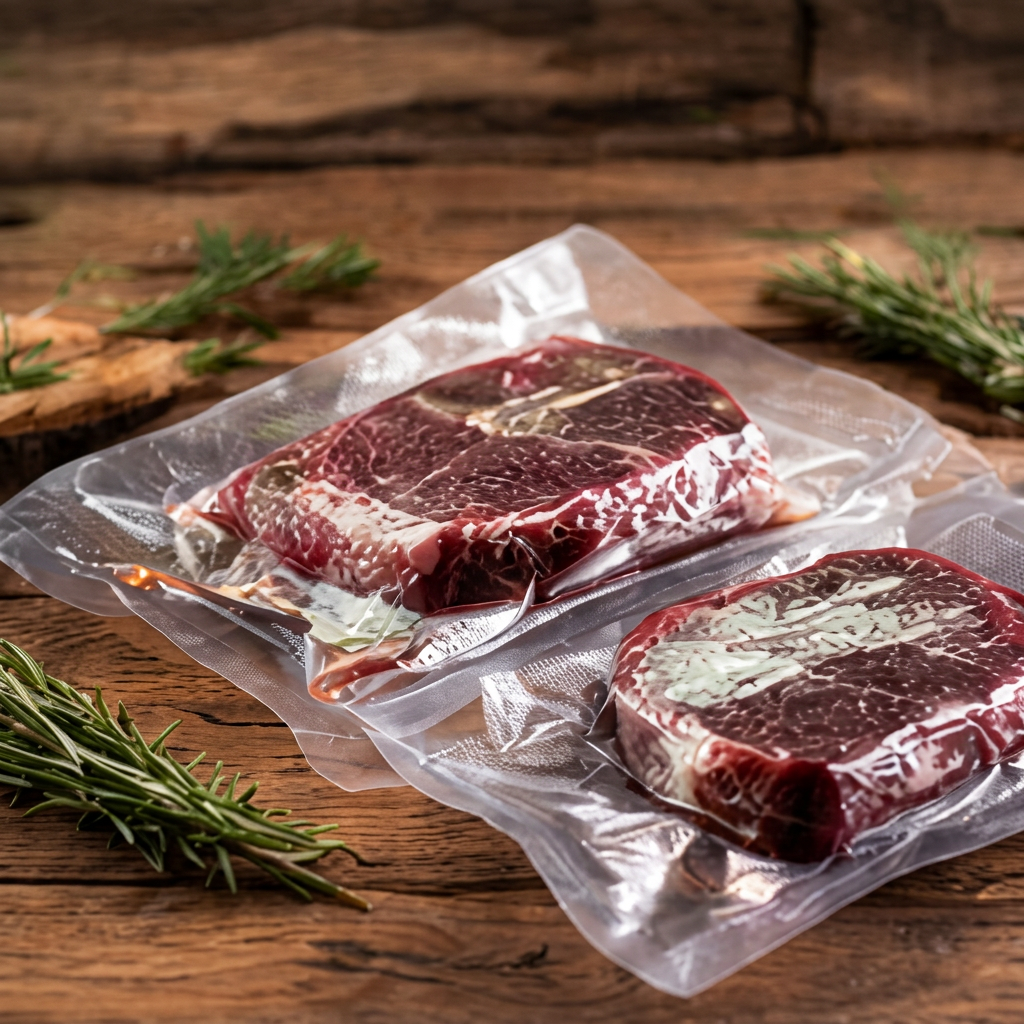
Vacuum Seal Bags for Elk
Why vacuum sealing is an elk harvest specialty: Vacuum sealing pulls air out of the package before it's frozen.
Less trapped air around the meat's surface means less opportunity for oxidation and freezer burn over the months an elk harvest typically sits in the freezer.
- Hold a seal reliably across dozens of packages, not just one or two
- Resist punctures from bone-in cuts and processing debris
- Come in sizes and formats that don't waste material on odd-shaped trim
- Work with the vacuum sealer you already run at home
Why Prime: GardaPack Prime is built around those requirements high-barrier film construction, puncture resistance, and both pre-cut and rolls so you can size packaging to whatever an elk harvest actually gives you, instead of forcing every cut into a one-size bag.
GardaPack Prime for Elk / Game Meat
Prime isn't a general-purpose kitchen bag repurposed for hunters. Its high-resistance package build makes it a practical choice for elk meat storage.
| Feature | What It Means for the Hunter |
|---|---|
| EVOH Poly-Nylon film, low OTR | Less oxygen movement into the package can help extend safe freezer storage. |
| Low WVTR (moisture transmission) | Helps guard against the texture changes that come with freezer dehydration and environmental exposure. |
| Puncture-resistant construction | Relevant for bone-in game during a big elk processing session. |
| Embossed/textured surface | Channel or air during sealing for reliable evacuation. |
| -60°F to 220°F range | Rated from -60°F to 220°F temperature range, suitable for freezer, refrigeration, and hot-fill cooking applications where appropriate. |
| BPA-free, FDA & LFGB compliant | Food-safe construction for home processing. |
Which Prime Format Should I Use for Elk?
An elk harvest rarely fits one bag size. Here's a practical way to match GardaPack Prime formats to what you're actually packaging.


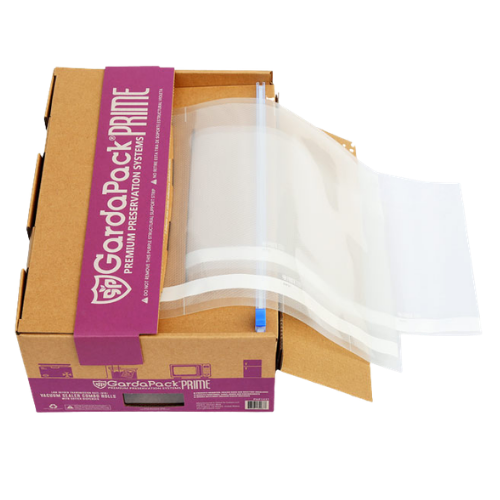
 GardaPack® Prime 8″x60′ & 11″x50′ All-Clear Combo Vacuum Seal Rolls w/Cutter Dispenser (2-Pack)

HOW TO PACKAGE ELK MEAT FOR FREEZER STORAGE
A practical, scannable sequence:
Cool the meat
before packaging, warm meat sweats inside a sealed bag
Trim clean:
remove silverskin, hair, and bone dust from cut surfaces
Portion by intended use
not just by convenience, think about the actual meal a package will become
Pick the right format:
pre-cut bag for standard portions, roll for irregular cuts or bulk trim
Pad sharp bone edges
with parchment or freezer paper before sealing bone-in cuts
Leave a dry
clean seal edge, moisture or bone dust at the seal line is a common cause of failed seals
Vacuum and seal
checking for wrinkles, gaps, or bubbles before moving to the next package
Label with cut
date, and weight if you're tracking totals
Freeze flat
so packages set solid quickly, then stack once frozen
Organize the freezer
by date so older cuts get used first, with elk-sized volume, this matters more than it does with a smaller harvest
PROOF/TRUST
- Independent lab testing (Labthink International) shows Prime's oxygen transmission is significantly lower than standard heavy-duty embossed vacuum seal bags
- Puncture-tested to EN 14477-Engineering Materials Laboratory, Inc.
- BPA-free, FDA and LFGB compliant
- 4.9 out of 5 average rating across roughly 2,488 customer reviews sitewide
4.9 out of 5 — 2,466 Happy Customers ★★★★★
"Best vacuum sealer bags in the food industry. Puncture- and lab-tested. I would recommend it to anyone looking for vacuum sealer bags."
"I've been using another one, but this one is much better."
"Great material, easy to use, fast delivery."
Trusted by a growing community of hunters, home processors and outdoor enthusiasts worldwide.